Imagine stepping into a perfectly lit home, your favorite music playing, and a freshly brewed coffee waiting, all activated by your voice. This isn’t a futuristic dream; it’s the everyday convenience offered by Alexa-compatible smart plugs. These unassuming devices are your gateway to transforming ordinary appliances into intelligent, voice-controlled wonders, making your home smarter, more efficient, and more responsive to your lifestyle. Having spent over a decade navigating the landscape of smart home solutions, I’ve seen firsthand how these small gadgets can make a huge impact. Let’s explore how Alexa smart plugs can elevate your living experience.
What is an Alexa Smart Plug?
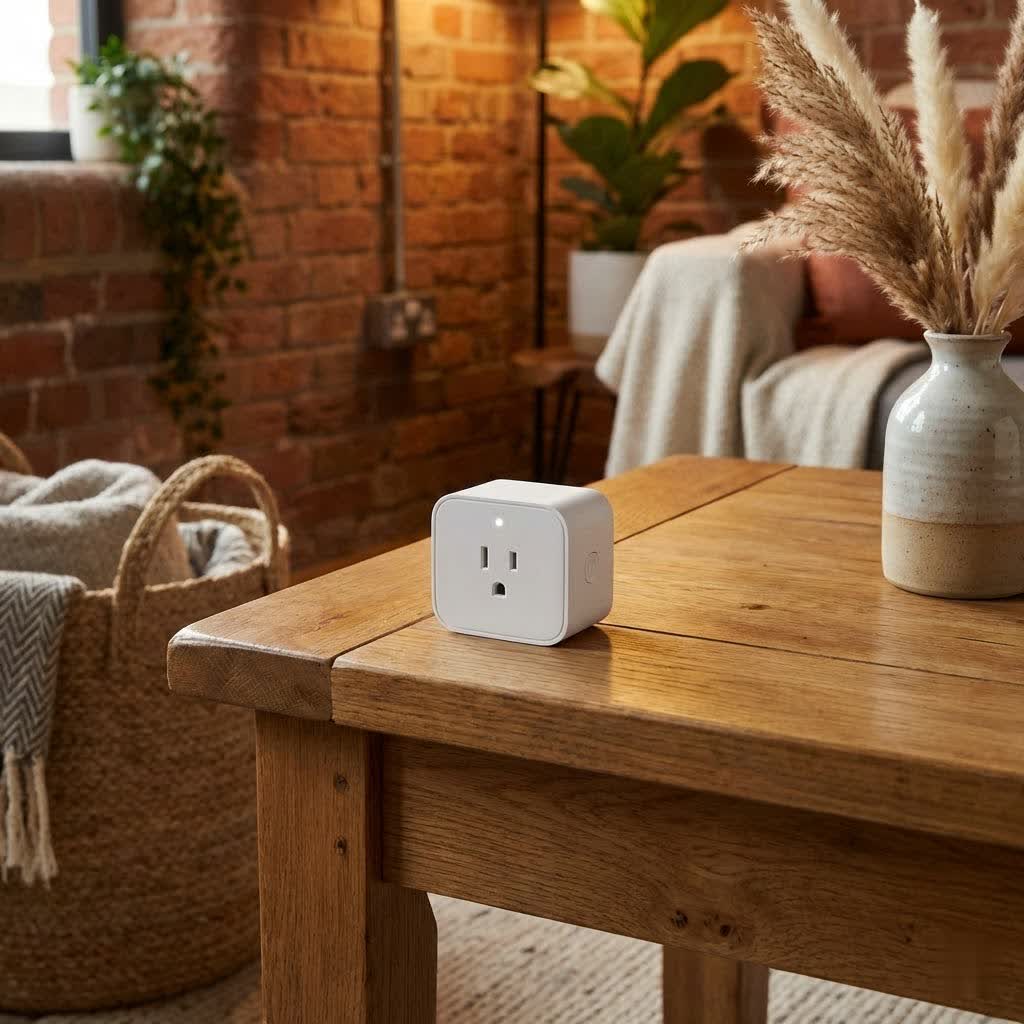
At its core, an Alexa smart plug is a simple, yet powerful, device designed to bridge the gap between your traditional appliances and the modern smart home ecosystem. You simply plug it into a standard wall outlet, and then plug any appliance—a lamp, a fan, a coffee maker—into the smart plug. Instantly, that once-ordinary device becomes “smart,” capable of being controlled remotely.
These innovative devices are often referred to by various names, including smart outlets, Wi-Fi plugs, or intelligent power adapters. Their primary function remains consistent: to provide remote control and automation capabilities to your everyday electronics, all orchestrated through Amazon Alexa.
How Does an Alexa Smart Plug Work?
The magic behind an Alexa smart plug lies in its connectivity. Most smart plugs utilize your home’s Wi-Fi network to communicate, typically operating on the 2.4GHz band. Some models might also support other protocols like Bluetooth, Zigbee, or Matter, which can offer different benefits such as mesh networking or broader compatibility, often requiring a compatible hub.
Once connected to your Wi-Fi, the smart plug integrates seamlessly with your Alexa app or any Alexa-enabled device, such as an Echo speaker. This integration allows you to:
- Voice Control: Issue commands like “Alexa, turn on the living room lamp” to instantly power your connected device.
- App Control: Manage devices from anywhere using the Alexa app on your smartphone or tablet, whether you’re across the room or across town.
- Automation: Create schedules, set timers, and design routines that automatically turn devices on or off based on specific conditions or times.
|
Our Picks for the Best Smart Plug in 2026
As an Amazon Associate I earn from qualifying purchases.
|
||
| Num | Product | Action |
|---|---|---|
| 1 | Kasa Smart Plug Ultra Mini 15A, Smart Home Wi-Fi Outlet Works with Alexa, Google Home & IFTTT, No Hub Required, UL Certified, 2.4G WiFi Only, 2 Count (Pack of 1)(EP10P2) , White |

|
| 2 | Kasa Matter Smart Plug w/ Energy Monitoring, Compact Design, 15A/1800W Max, Super Easy Setup, Works with Apple Home, Alexa & Google Home, UL Certified, 2.4G Wi-Fi Only, White, KP125M (4-Pack) |
|
| 3 | BSEED WiFi Smart Plug, 3 Outlet Surge Voltage Protector with Light Indicator, APP Control, Energy Monitoring, Wall Mount Power Suppressor for Refrigerator/TV/PC, 125V/1875W, FCC Listed,1 Pack |
|
| 4 | Kasa Smart Plug HS103P3, Smart Home Wi-Fi Outlet Works with Alexa, Echo, Google Home & IFTTT, No Hub Required, Remote Control,15 Amp,UL Certified, White, 3 Count (Pack of 1) |
|
| 5 | Amazon Smart Plug - Works with Alexa - Simple setup, endless possibilities |
|
| 6 | Kasa Smart Plug HS103P2, Smart Home Wi-Fi Outlet Works with Alexa, Echo, Google Home & IFTTT, No Hub Required, Remote Control,15 Amp,UL Certified, (Pack of 2) White |
|
| 7 | Kasa Smart Plug HS103P4, Smart Home Wi-Fi Outlet Works with Alexa, Echo, Google Home & IFTTT, No Hub Required, Remote Control, 15 Amp, UL Certified, 4-Pack, White |
|
| 8 | DeeprClean Mini Smart Plugs That Work with Alexa, Wifi Socket Compatible with Google Assistant, App Controlled Outlet with Timer & Schedule, 2.4GHz Wi-Fi Only Wireless Plugs Outlet for Smart Home Life |
|
| 9 | EIGHTREE Smart Plug, WiFi Outlet Works with Alexa & Google Home, Smart Home Socket with Remote Control & Timer Function, 2.4GHz WiFi Only, 4 Packs |
|
| 10 | Govee Smart Plug, WiFi Plugs Work with Alexa & Google Assistant, Smart Outlet with Timer & Group Controller, WiFi Outlet for Home, No Hub Required, ETL & FCC Certified, 2.4G WiFi Only, 4 Pack |
|
Essentially, a smart plug acts as a digital intermediary, remotely switching the power supply to your connected appliance on or off, much like a traditional wall switch, but with added intelligence and flexibility.
Benefits of Using Alexa Smart Plugs
Integrating Alexa smart plugs into your home offers a wealth of advantages that enhance comfort, convenience, and efficiency:
- Remote Control of Devices: Forget worrying if you left the curling iron on or the lights blazing. With an Alexa smart plug, you can check the status of connected devices and turn them on or off from anywhere using the Alexa app on your smartphone. This peace of mind is invaluable, especially when you’re away from home.
- Energy Savings: Many smart plugs include energy monitoring features, allowing you to track the power consumption of connected appliances. Even without specific monitoring, the ability to schedule devices to turn off when not in use, or to completely cut power to “vampire” devices that draw standby power, can lead to noticeable reductions in your electricity bill.
- Automated Schedules and Routines: One of the most compelling benefits is the ability to create automated schedules. Imagine your coffee maker starting automatically at 6:30 AM every weekday, or your bedroom lamp gently fading on at sunset. You can also set up routines that trigger multiple actions with a single command or based on specific conditions, like having your fan turn on when the room temperature reaches a certain threshold.
- Enhanced Home Security: Smart plugs contribute to home security through features like “Away Mode.” This allows you to program lights or other devices to turn on and off randomly when you’re not home, creating the illusion of occupancy and deterring potential intruders.
- Easy Smart Home Integration: For those new to smart home technology, smart plugs are an excellent starting point. They require no complex wiring or permanent installation, making them an accessible way to introduce smart capabilities to your existing appliances and expand your Alexa ecosystem effortlessly.
Types of Alexa Smart Plugs
The market offers a diverse range of smart plugs compatible with Alexa, catering to various needs and preferences. Understanding the different classifications can help you choose the best fit for your home.
By Shape and Size
- Mini Smart Plugs: These compact plugs are designed to be unobtrusive and often won’t block the second outlet in a standard wall receptacle, making them ideal for crowded outlets or power strips.
- Standard Smart Plugs: Slightly larger, these plugs might take up more space but still offer robust functionality.
- Dual-Outlet Smart Plugs: Some smart plugs come with two independently controllable outlets within a single unit, allowing you to manage two separate devices from one wall socket.
- Outdoor Smart Plugs: Built to withstand the elements, outdoor smart plugs feature durable, weather-resistant designs and are perfect for controlling patio lights, fountain pumps, or holiday decorations.
By Features
- Energy Monitoring: A valuable feature that tracks the real-time power consumption of connected devices, helping you identify energy hogs and optimize usage for savings. Not all smart plugs include this, and Amazon’s own smart plug typically does not.
- USB Charging Ports: Less common in individual plugs, but some smart power strips or specialized plugs integrate USB ports for charging mobile devices.
- Voice Assistant Compatibility: While all plugs discussed here work with Alexa, many also offer compatibility with other voice assistants like Google Assistant, and some even support Apple HomeKit or Samsung SmartThings, offering greater flexibility for mixed smart home ecosystems.
- Connectivity Protocols:
- Wi-Fi: The most common, connecting directly to your home Wi-Fi network (usually 2.4GHz).
- Bluetooth: Sometimes used for initial setup, but typically not for ongoing remote control.
- Zigbee/Z-Wave: These protocols create a mesh network and often require a compatible hub (like some Echo devices with built-in hubs) for connectivity. They are known for lower power consumption and handling many devices without congesting your Wi-Fi.
- Matter: A newer standard designed for greater interoperability across different smart home platforms, offering more seamless integration.
By Brand
The market is filled with reputable brands offering Alexa-compatible smart plugs. Here are a few popular examples:
- Amazon Smart Plug: Designed for seamless integration with the Alexa ecosystem, often featuring effortless setup. However, it typically works exclusively with Alexa and lacks energy monitoring.
- TP-Link Kasa: Known for its user-friendly app, reliability, and broad compatibility with Alexa and Google Assistant. Offers various models, including mini plugs and power strips, often with scheduling features.
- Govee Smart Plug: A budget-friendly option often praised for its compact design and compatibility with both Alexa and Google Assistant, making it a good choice for families with mixed ecosystems.
- GE Cync Smart Plug: Offers excellent app controls and quick connections to Alexa and Google Assistant, with a variety of Cync routines.
- Meross Smart Wi-Fi Plug: Known for working well with Alexa and often includes advanced encryption protocols for security.
Comparison of Popular Alexa Smart Plugs
Choosing the right Alexa smart plug can depend on your specific needs, budget, and desired features. Here’s a comparison of some top contenders to help illustrate their differences:
Comparison Criteria
When evaluating smart plugs, consider these key factors:
- Price: Smart plugs range from budget-friendly options to more feature-rich, premium models.
- Features: Look for energy monitoring, dual outlets, USB ports, or specific safety features.
- Reliability: How stable is the connection? Does it consistently respond to commands?
- Compatibility: Does it work only with Alexa, or does it support other platforms like Google Home or Apple HomeKit?
- Ease of Use: Is the setup process straightforward? Is the companion app intuitive?
Detailed Comparison Table
| Product | Price Range | Key Features | Pros | Cons |
|---|---|---|---|---|
| Amazon Smart Plug | $20 – $25 | Alexa-exclusive, compact | Native Alexa compatibility, swift auto-setup, no hub required | Alexa-only, no energy monitoring, higher price for basic features |
| TP-Link Kasa Smart Wi-Fi Plug Mini (HS103) | $10 – $15 | Scheduling, timer, compact, multi-pack options | Works with Alexa & Google, reliable, easy-to-use Kasa app, affordable | No energy monitoring |
| HBN Smart Plug (Dual Outlet) | $15 – $20 | Dual independently controlled outlets, ETL certified | Excellent value for dual outlets, overload protection, compact | Setup can be clunky for new users, requires internet to function |
| Govee Smart Plug | $10 – $15 | Compact design, Wi-Fi 2.4GHz | Budget-friendly, works with Alexa & Google, compact (won’t block outlets) | Lighter build quality compared to premium brands, no energy monitoring |
This table provides a snapshot, but always check the latest specifications and user reviews before making a final decision, as features and pricing can evolve.
How to Choose the Best Alexa Smart Plug (Buying Guide)
Selecting the ideal Alexa smart plug involves a bit of self-reflection and understanding the specific needs of your home. Here’s a comprehensive guide to help you navigate the options:
Determine Your Usage Needs
Before diving into specifications, consider what you want your smart plug to do:
- What Devices Do You Want to Control? Are you looking to automate lights, fans, small kitchen appliances, or perhaps an outdoor fountain? Ensure the plug’s power rating matches the device’s requirements.
- Which Features Are Essential? Do you need basic on/off control, or are advanced features like energy monitoring, scheduling, and “Away Mode” crucial for your smart home goals?
- Do You Have an Existing Smart Home Ecosystem? If you already use Google Home, Apple HomeKit, or another platform, you might prefer a multi-compatible plug rather than an Alexa-exclusive one.
Key Factors to Consider
- Power Rating (Amps/Watts): This is critical for safety. Standard smart plugs typically handle up to 15A (around 1800W), suitable for most lamps, fans, and small appliances. For high-power devices like space heaters or window AC units, always check that the smart plug’s rating explicitly supports the appliance’s wattage to prevent overloading.
- Compatibility with Your Smart Home System: While all options discussed here work with Alexa, some plugs (like Amazon’s own) are exclusively Alexa-compatible, while others work across multiple platforms. Choose based on your broader smart home strategy.
- Connectivity: Most smart plugs rely on 2.4GHz Wi-Fi. Confirm your router supports this band, as many do not support 5GHz. For Zigbee or Matter plugs, ensure you have a compatible hub (some Echo devices have these built-in).
- Physical Size and Design: Bulky plugs can block adjacent outlets, rendering them unusable. Look for compact, mini, or side-facing designs if outlet space is at a premium. Outdoor plugs should have a robust, weather-resistant (e.g., IP65-rated) design.
- Safety Certifications: Always prioritize plugs with recognized safety certifications like UL, ETL, or FCC. These indicate the product has undergone rigorous testing and meets safety standards, reducing risks of fire or electrical hazards.
- Brand Reputation and User Reviews: Opt for reputable brands known for quality and customer support. Read user reviews to gauge real-world performance, reliability, and ease of use.
- Budget: Smart plugs are generally affordable, but prices vary with features and brand. Multi-packs often offer better value if you need several plugs.
Where to Purchase Alexa Smart Plugs
Alexa smart plugs are widely available, making them easy to acquire:
- Online Retailers: Amazon, Best Buy, and other major e-commerce platforms offer the widest selection and often competitive pricing.
- Electronics Stores: Stores like Best Buy, Target, and Walmart typically stock popular brands and allow you to see the products in person.
- Manufacturer Websites: You can also purchase directly from brands like TP-Link, Govee, or Meross, ensuring authenticity and direct customer support.
How to Install and Use Your Alexa Smart Plug
Setting up an Alexa smart plug is generally a straightforward process, designed to be user-friendly. Here’s a step-by-step guide to get you started and tips for maximizing its potential.
Basic Installation Steps
While specific steps might vary slightly by brand, the core process for connecting your smart plug to Alexa is usually as follows:
- Plug In the Smart Plug: Insert your new smart plug into a wall outlet. Ensure it’s within range of your 2.4GHz Wi-Fi network.
- Open the Alexa App: On your smartphone or tablet, open the Amazon Alexa app. Make sure you have the latest version installed.
- Initiate Device Discovery:
- Navigate to the “Devices” tab at the bottom of the app.
- Tap the “+” icon in the top right corner.
- Select “Add Device.”
- Choose “Plug” from the list of device types.
- Select Your Plug’s Brand: The Alexa app might automatically detect your smart plug, especially for Amazon’s own brand. If not, select the manufacturer from the provided list.
- Follow On-Screen Instructions: The app will guide you through connecting the plug to your home’s 2.4GHz Wi-Fi network. This may involve scanning a barcode on the device, putting the plug into pairing mode (often by holding a button), or entering your Wi-Fi password.
- Name Your Smart Plug: Once connected, you’ll be prompted to give your smart plug a recognizable name (e.g., “Living Room Lamp,” “Coffee Maker”). Choose a simple, distinct name that Alexa will easily understand.
- Complete Setup: Follow any remaining prompts to finalize the setup. You can then test it with a voice command: “Alexa, turn on [device name].”
Tips for Effective Smart Plug Usage
To get the most out of your Alexa smart plugs, consider these practical tips:
- Create Automated Schedules: Utilize the Alexa app to set specific times for devices to turn on and off. This is perfect for morning coffee, evening lights, or ensuring devices power down overnight.
- Build Smart Home Routines: Combine your smart plugs with other Alexa devices or services. For example, a “Good Morning” routine could turn on your bedside lamp, start your coffee maker, and play the news all at once. An “Away” routine could turn off all lights and activate an “Away Lighting” feature for security.
- Integrate with Voice Assistants: Leverage voice commands for instant control. Assign plugs to rooms or groups (e.g., “Bedroom lights”) to control multiple devices with a single command.
- Save Energy Strategically: Use energy monitoring features (if available) to identify power-hungry appliances. For devices that consume standby power, schedule them to completely power off overnight or when not in use. This can significantly reduce your energy footprint.
- Enhance Security with “Away Mode”: If your smart plug or Alexa app supports it, enable “Away Lighting” to randomly switch lights on and off, creating the impression that someone is home even when you’re away on vacation.
- Consider Outdoor Applications: Use weather-resistant outdoor smart plugs for holiday lights, garden fountains, or patio lighting, bringing smart control to your exterior spaces.
By following these steps and tips, you’ll soon be enjoying the full convenience and efficiency that Alexa smart plugs bring to your smart home.
Conclusion
Alexa smart plugs offer an incredibly accessible and versatile entry point into the world of smart home automation. From the simple convenience of voice control to the sophisticated savings of energy monitoring and automated routines, these small devices pack a powerful punch, effortlessly transforming your everyday appliances into intelligent components of your connected home. They allow you to personalize your environment, enhance security, and streamline your daily life without a significant investment or complex installation.
Ready to experience the effortless control and efficiency an Alexa smart plug can bring to your home? Which device in your home is begging for a smart upgrade first?
Frequently Asked Questions
What kind of devices can I control with an Alexa smart plug?
You can control most small appliances that have a mechanical on/off switch, meaning they return to the “on” position when power is restored. Common examples include lamps, fans, coffee makers, humidifiers, holiday lights, and slow cookers. Avoid high-amperage devices like space heaters or window AC units unless the smart plug is specifically rated for them.
Do I need an Amazon Echo device to use an Alexa smart plug?
While an Amazon Echo device (like an Echo Dot or Echo Show) unlocks the full potential of voice control, many Alexa smart plugs can still be controlled via the Alexa app on your smartphone, allowing you to set schedules and control devices remotely even without a dedicated Echo speaker. Amazon’s own smart plug is designed to integrate most seamlessly with the Alexa app and Echo devices.
Will an Alexa smart plug work with my 5GHz Wi-Fi network?
Most Alexa smart plugs currently operate exclusively on the 2.4GHz Wi-Fi band. This is a common limitation, so ensure your home router is configured to support a 2.4GHz network, and your smartphone is connected to it during the initial setup process. If you only have a 5GHz network, you may need to adjust your router settings or choose a different type of smart home device.
Can Alexa smart plugs save me money on my electricity bill?
Yes, Alexa smart plugs can help you save money on your electricity bill. By enabling you to schedule devices to turn off when not in use, monitor energy consumption (if the feature is available), and eliminate standby power draw from “vampire” electronics, you can reduce unnecessary energy waste and lower your monthly costs.
